
Religious Trauma in Muslims: Signs and Healing
Religious trauma happens when religion is used to control, shame, or frighten a person instead of support them. This guide explains the signs in Muslims, how it differs from waswas, and what healing and religious trauma therapy look like.
Falah Therapy11 min read
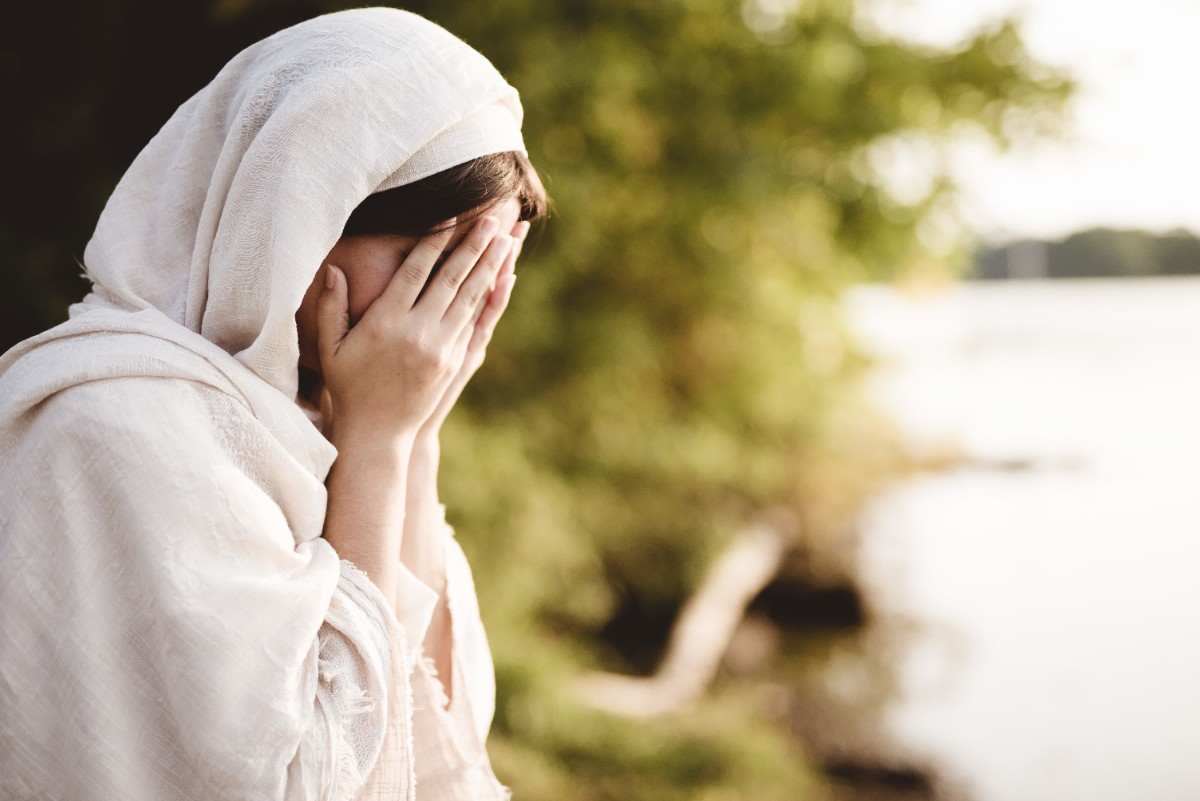
Religious trauma is the emotional and psychological harm a person experiences from rigid, fear-based, or controlling religious teaching or treatment. In Muslims, it usually comes from how Islam was taught or enforced by people around them, such as parents, teachers, relatives, or community members. It does not come from Islam itself.
It can show up as constant guilt, fear of Allah's punishment, anxiety around prayer, or a heavy sense of never being good enough. Many people live with it for years without a name for it.
This article explains what religious trauma is, how to recognize it, and how healing works, including what religious trauma therapy looks like.
At a Glance
- Religious trauma is harm caused by controlling, shame-based, or fear-based religious experiences.
- It is not an official diagnosis, but therapists recognize it and treat it with established trauma methods.
- The problem is usually how religion was applied by people, not the faith itself.
- Common signs include chronic guilt, fear of punishment, difficulty praying, and anxiety about being "bad."
- Religious trauma and waswas (religious OCD) can overlap, but they are not the same thing.
- You can heal and keep your faith, rebuild it on your own terms, or take time away from practice. Healing does not require a set outcome.
- A trauma-informed therapist who understands Muslim culture can make the process safer and faster.
What Is Religious Trauma?
Religious trauma is the lasting emotional damage from religious experiences that were abusive, controlling, or fear-driven.
The term "religious trauma syndrome" was introduced by psychologist Marlene Winell in 2011. It describes a cluster of symptoms seen in people who grew up in or left strict religious environments.
It is not listed as a formal diagnosis in the DSM-5 or ICD-10. Clinicians still use the concept because the symptoms are real, and they closely resemble PTSD and complex PTSD. You can read a neutral overview on Wikipedia's page on religious trauma syndrome.
The trauma is often not a single event. It builds slowly through years of repeated messages like "you are sinful," "Allah is angry with you," or "you will go to hell for this."
Religious Trauma Is Not the Same as Islam Being Harmful
This matters, so it is worth saying clearly.
Islam describes a God who is merciful and wants ease for people. The Quran says, "Allah intends for you ease and does not intend for you hardship" (Quran 2:185). It also says, "Allah does not burden a soul beyond what it can bear" (Quran 2:286).
Religious trauma happens when those teachings get replaced with fear, control, or shame.
A person can be hurt by the way religion was used on them and still love Allah. Many Muslims who experience this feel confused, because they think questioning how they were treated means questioning their faith. It does not.
How Religious Trauma Develops in Muslim Communities
Religious trauma usually grows out of patterns like these:
- Fear-based parenting. Children are told that Allah is watching only to punish them, or that small mistakes lead to hellfire.
- Harsh discipline justified by religion. Beating or humiliating a child for missing prayer or fasting.
- Shame around the body and sexuality. Being made to feel dirty or sinful for natural questions, puberty, or emotions.
- Control over women and girls. Strict rules enforced through guilt, with no room for questions or choice.
- Spiritual abuse by a leader. A teacher, imam, or community figure who uses religious authority to manipulate, silence, or harm.
- No room for doubt. Questions are treated as disrespect or disbelief.
- Community pressure. Constant comparison, gossip, or fear of being judged as "not Muslim enough."
- Punishment for leaving or changing. Being cut off or threatened when someone struggles, questions, or stops practicing.
Often, the harm came from people who genuinely believed they were doing the right thing. That does not make the impact any smaller.
Signs of Religious Trauma in Muslims
Signs differ from person to person. Here are the most common ones.
Emotional signs
- Deep, ongoing guilt, even when you have done nothing wrong
- Constant fear of Allah's anger or punishment
- Shame about your thoughts, desires, or mistakes
- Feeling "not good enough" no matter how much you do
- Anxiety, low mood, or a sense of dread connected to religion
Spiritual and religious signs
- Prayer feels like a threat, not a connection
- Reading Quran or attending the masjid triggers panic, anger, or numbness
- Fear that doubts or questions make you a disbeliever
- Difficulty trusting your own judgment on religious matters
- Feeling distant from Allah, followed by guilt about that distance
Behavioral signs
- Avoiding religious spaces, or forcing yourself to attend out of fear
- Perfectionism around worship
- People-pleasing to avoid being judged
- Hiding parts of yourself from family or community
Physical signs
- Tight chest, racing heart, or nausea before prayer or religious gatherings
- Trouble sleeping, nightmares, or intrusive thoughts about hell or death
- Fatigue and tension that does not seem to have a medical cause
Relationship signs
- Difficulty setting boundaries with family
- Fear of rejection from the community
- Struggling to trust religious leaders or even other Muslims
- Feeling isolated, as if no one understands
Having a few of these does not mean you have religious trauma. If several describe you and they affect your daily life, it is worth talking to a professional.
Religious Trauma vs. Waswas (Religious OCD)
These two can look similar, and they can exist together. They are different problems.
Waswas (often called scrupulosity) is a form of OCD centered on religion. A person has intrusive thoughts and doubts, then performs repeated rituals to calm the fear. Common examples are repeating wudu, doubting whether prayer counted, or intrusive blasphemous thoughts that cause severe distress.
Religious trauma is more about the harm caused by how religion was taught or enforced. The main experience is fear, shame, and lost trust, not necessarily obsessions and compulsions.
The International OCD Foundation puts it plainly: scrupulosity is not a faith problem, it is an OCD problem. The Yaqeen Institute also explains how clinicians and imams can work together on this in its paper on waswas and OCD.
If you are unsure which one you are dealing with, a trained therapist can sort it out. The treatment is different for each, so an accurate picture matters.
Why Many Muslims Don't Seek Help
If you have held this in silence, you are not alone. Common barriers include:
- Being told to "just make dua" or "have more iman"
- Fear that a therapist will dismiss or attack your faith
- Worry about family or community finding out
- Stigma around mental health
- Not having words for what you are feeling
- Not knowing a therapist who understands Muslim culture
Dua and faith can be a real source of strength. They work alongside professional care, not in place of it. Going to a therapist for a physical illness would not be questioned. Mental health deserves the same treatment.
How Healing From Religious Trauma Works
Healing does not follow a straight line, and nobody can tell you where you should end up. Some people return to practice with a healthier relationship to Allah. Others take a long break. Others rebuild slowly in a way that feels honest. All of these are valid starting points.
Here are steps that tend to help.
1. Name what happened
Putting words to your experience reduces shame. You were not "too sensitive" or "weak in faith." You were affected by something that was harmful.
2. Separate Allah from the people who hurt you
This step is often the hardest and the most important. The person who shamed or frightened you in the name of religion is not the same as Allah. Many survivors find that their view of God changes slowly once they see this difference.
3. Let yourself grieve
You may be grieving a lost childhood, lost trust, or a community you no longer feel safe in. Grief belongs here too.
4. Go at your own pace with worship
You do not have to force yourself into the same practices that caused panic. Smaller, gentler acts, like a short dua in your own words, can be a place to restart.
5. Set boundaries
You can love your family and still limit conversations that bring back the harm. Boundaries are not disrespect.
6. Find safe people
Look for friends, mentors, or scholars who treat questions with patience. Safe spaces exist, even if you have not found them yet.
7. Get professional support
Trauma is hard to work through alone, especially when it is tied to your identity, family, and belief system. This is where therapy helps most.
What Religious Trauma Therapy Looks Like
Religious trauma therapy is trauma-informed counseling that addresses the specific damage caused by harmful religious experiences, at a pace you control.
Psychiatrist Judith Herman's well-known model of trauma recovery has three stages: safety, processing and mourning, and reconnection. Many therapists follow a similar structure.
In practice, sessions may include:
- Building safety first. Learning calming and grounding skills before going into painful memories.
- Understanding your story. Looking at where the fear, shame, and guilt came from.
- Working with thoughts and beliefs. Challenging ideas like "I am doomed" or "Allah hates me" with tools such as CBT.
- Processing trauma. Using methods such as EMDR where appropriate.
- Rebuilding identity. Working out what you actually believe and value.
- Treating waswas separately when present. Exposure and Response Prevention (ERP) is the standard treatment for religious OCD.
Many Muslims feel more comfortable with someone who already understands the culture, family expectations, and religious language without needing everything explained. Working with a Muslim therapist online also removes barriers like distance, privacy concerns, and limited local options.
Faith-integrated therapy does not mean a therapist tells you what to believe. A good one follows your lead, whether you want to include Islamic concepts in sessions or keep them out.
What to Look for in a Therapist
A few questions to ask before you commit:
- Do they have experience with trauma, religious trauma, or religious OCD?
- Are they comfortable working with Muslim clients and Islamic concepts?
- Will they let you decide how much faith is part of the sessions?
- Are they licensed?
- Do you feel respected and unhurried in the first conversation?
You are allowed to try more than one therapist before finding a fit.
When to Get Help Right Away
If you are having thoughts of ending your life or hurting yourself, please contact local emergency services or a crisis line in your country right now, or go to the nearest emergency room. Tell someone you trust so you are not alone with this.
Distress this heavy is a sign that you need support, not proof that you are failing as a Muslim.
Frequently Asked Questions
Can Muslims experience religious trauma?
Yes. Religious trauma can happen in any faith community, including Muslim ones. It is linked to controlling or fear-based experiences, not to the beliefs themselves. Many Muslims carry it quietly because they worry that speaking up means they are criticizing Islam.
Is religious trauma a real diagnosis?
Not formally. Religious trauma syndrome is not in the DSM-5 or ICD-10. Therapists still treat it using established approaches for trauma, anxiety, and complex PTSD, because the symptoms and the suffering are real.
Does healing from religious trauma mean leaving Islam?
No. Healing means working through the harm so you can relate to yourself, others, and God more freely. Some people stay practicing, some change how they practice, and some step away. A good therapist does not push you in any direction.
What is the difference between waswas and religious trauma?
Waswas is a form of OCD involving intrusive religious doubts and repetitive rituals. Religious trauma is the emotional harm from controlling or frightening religious experiences. They can overlap, and a trained therapist can tell them apart, since the treatments differ.
How do I know if my fear of Allah is trauma or normal faith?
Healthy reverence usually comes with hope, mercy, and a sense of closeness. Trauma-based fear feels like dread, panic, or being constantly watched and condemned. If your fear mostly causes distress and shame, it is worth exploring with a professional.
How long does religious trauma therapy take?
It varies. Some people notice relief within a few months. Others need longer, especially if the harm began in childhood. Progress is usually gradual and depends on your history and goals.
Can I do therapy online?
Yes. Online therapy works well for many people and makes it easier to find someone who understands your background, especially if few Muslim therapists practice near you.
If this resonated, you can book a private session with a licensed Muslim therapist.